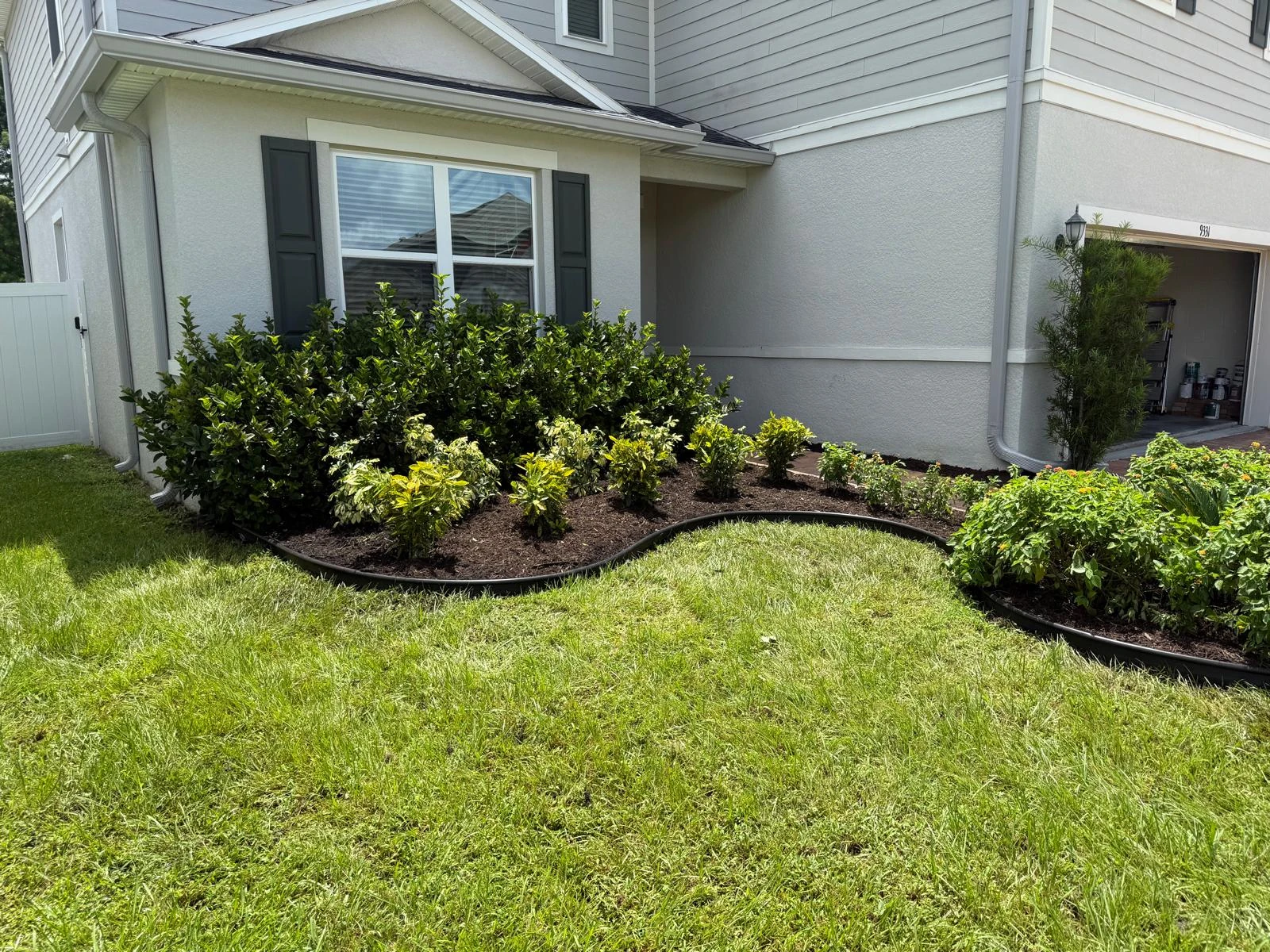
A beautiful landscaping or paver project starts before installation begins. Proper site preparation helps create a cleaner finished appearance, allows materials to be installed correctly, and can help the finished project perform well over time.
Whether you're planning a new landscape bed, sod installation, patio, walkway, driveway, or other outdoor improvement, clearing and preparing the area is an important first step.
1. Remove Overgrown Vegetation
Unwanted grass, weeds, vines, and overgrown plants can interfere with new landscaping and make it difficult to establish clean edges.
Before installation, the work area may need to be cleared of vegetation that is not part of the new landscape design.
2. Clear Rocks, Roots & Debris
Large rocks, exposed roots, old landscape debris, and other obstacles can make grading and installation more difficult.
Clearing the area gives the installation team a better surface to work with and helps create a more uniform finished result.
3. Remove Existing Materials
If you're replacing an existing landscape or hardscape, old materials may need to be removed first.
This can include:
Old pavers
Concrete
Mulch
Landscape rock
Edging
Old sod
Unwanted plants
Construction debris
Removing materials that are being replaced helps provide a clean starting point for the new project.
4. Address Tree & Branch Clearance
Trees can be an important part of a landscape, but branches and roots may interfere with certain projects.
Branches may need to be trimmed if they obstruct the work area, while existing roots should be considered when planning new hardscape or landscape features.
5. Check Irrigation & Drainage
Before digging or installing new landscaping, it's important to consider existing irrigation lines, sprinkler heads, drainage systems, and other underground or surface features.
Identifying these areas ahead of time can help prevent damage and allow the project to be properly planned.
6. Prepare the Surface
Different projects require different types of preparation.
For example, a paver installation may require excavation, grading, a properly prepared base, and compaction. A sod installation may require removal of existing grass, minor leveling, soil preparation, and irrigation considerations.
The finished surface is only as good as the preparation underneath it.
Why Proper Preparation Matters
It's easy to focus on the finished product—the new pavers, fresh sod, plants, or mulch—but preparation is a major part of the installation process.
A properly cleared and prepared area can help:
Create cleaner edges and a more polished appearance
Improve drainage and grading
Provide a more stable foundation for hardscape
Make installation more efficient
Reduce obstacles and potential problems during installation
Help the finished landscape perform better over time
Start With a Clean Slate
At Green Roots Landscaping, we look at the entire project—not just what goes on top. From clearing and preparation to installation and finishing touches, each step contributes to the final result.
If you're planning a landscaping, sod, paver, or hardscaping project in the Tampa Bay area, proper preparation should be part of the plan from the beginning.
Green Roots Landscaping
*Landscape Design & Installation
- Pavers & Hardscaping
- Sod Installation
- Irrigation Services
- Tree & Landscape Maintenance